
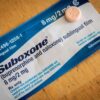
Uses and Risks Methadone hydrochloride tablets in Canada
Methadone is a long-acting Pharmaceutical opioid medication used in Canada for the treatment of opioid use disorder (OUD) and, in appropriate circumstances, for pain management. Methadone hydrochloride tablets works on opioid receptors in the central nervous system and can reduce opioid withdrawal symptoms and cravings. Health Canada describes methadone as an established medication for opioid use disorder and notes that it is longer-acting than heroin.
Methadone is available in several pharmaceutical formulations, including oral tablets and oral solutions. Pharma Nexus provides extensive insights into synthetic opioids, psychoactive substances, and research chemicals, analyzing them from medical, legal, and diverse perspectives both in Canada and internationally. Our platform specifically addresses Methadone hydrochloride in 5 mg and 10 mg tablets, exploring its health risks, addiction potential, legal ramifications, dependence concerns, and pertinent public health issues.
What Is Methadone?
Methadone is a synthetic opioid agonist. It activates opioid receptors and can produce analgesic effects while also reducing opioid withdrawal symptoms and cravings. When used to treat opioid use disorder, methadone is generally provided as part of a structured treatment program. Health Canada explains that methadone can reduce withdrawal symptoms and cravings without producing the same pattern of intoxication associated with short-acting illicit opioids when it is taken at an appropriate treatment dose.
Methadone’s relatively long duration of action allows it to maintain opioid receptor activity for an extended period. However, it also means that the medication can accumulate in the body, making inappropriate use potentially dangerous. The 5 mg and 10 mg strengths refer to the amount of methadone hydrochloride in each tablet. The appropriate dose and formulation depend on the individual’s medical circumstances and must be determined by a qualified healthcare professional.
Methadone legal status Canada
Methadone is a controlled substance in Canada and is regulated under the Controlled Drugs and Substances Act (CDSA) and the Narcotic Control Regulations. Health Canada specifically identifies methadone as a controlled substance.
Authorized healthcare professionals can prescribe, administer, sell, or provide methadone in accordance with applicable regulations. Health Canada removed the previous requirement for practitioners to obtain a specific federal exemption before prescribing, administering, selling, or providing methadone, effective May 19, 2018. Methadone obtained, possessed, distributed, or supplied outside the authorized medical and regulatory framework may create legal consequences.
Legal and Regulatory Framework of methadone tablets Canada
Methadone is subject to Canada’s federal framework governing controlled opioids and prescription medications. Relevant legislation and regulations include:

- Controlled Drugs and Substances Act (CDSA)
- Narcotic Control Regulations
- Food and Drugs Act
- Food and Drug Regulations
These frameworks regulate areas such as:
- Manufacturing
- Product authorization
- Prescribing
- Dispensing
- Distribution
- Importation
- Exportation
- Storage
- Record keeping
Health Canada also identifies risk-management measures for Canadian methadone products. Current Drug Product Database records for marketed methadone tablets identify Canadian opioid-specific risk-management measures.
Health Risks
Methadone can be an effective medication when used appropriately, but it remains a potent opioid and can cause serious adverse effects. Potential effects and health risks include:
- Drowsiness
- Dizziness
- Nausea
- Vomiting
- Constipation
- Sweating
- Low blood pressure
- Confusion
- Respiratory depression
- Irregular heart rhythm
- Physical dependence
- Opioid use disorder
- Overdose
One important characteristic of methadone is its long duration of action. Its effects on pain and its effects on respiratory function do not always follow the same time course, meaning that inappropriate dosing or repeated use can increase the risk of accumulation and respiratory depression. The risk of serious harm can increase when methadone is combined with alcohol, benzodiazepines, Ice, Blues, Crack, Fentanyl or other medications and substances that depress the central nervous system.
Risks Associated with Illegal methadone for sale or Distribution
Methadone tablets obtained outside Canada’s regulated healthcare system may present significant health and legal risks. A product obtained from an unauthorized source may be counterfeit, improperly stored, contaminated, or incorrectly labelled. Individuals may therefore be unable to reliably determine the identity, strength, or quality of the medication. Potential risks associated with illegal distribution include:

- Counterfeit medication
- Unknown strength or composition
- Accidental opioid poisoning
- Unsupervised opioid exposure
- Increased risk of respiratory depression
- Medication diversion
- Delayed access to appropriate medical care
Illegal distribution can also interfere with the regulated use of methadone as a treatment for opioid use disorder.
Methadone dependence and Addiction
Regular methadone treatment can produce physical dependence because methadone activates opioid receptors. Physical dependence does not necessarily mean that a person has opioid use disorder. Individuals receiving methadone as prescribed may become physically dependent while using the medication appropriately as part of medical treatment.
Methadone is itself used to treat opioid use disorder because it can reduce withdrawal symptoms and cravings and help stabilize treatment. Health Canada notes that methadone is one of the medications available for OUD treatment in Canada. Some people can nevertheless develop problematic use or opioid use disorder, particularly when methadone is used outside medical supervision.
Methadone withdrawal
Stopping methadone suddenly after regular or prolonged use can cause opioid withdrawal. Possible symptoms include:
- Anxiety
- Restlessness
- Muscle aches
- Sweating
- Chills
- Runny nose
- Yawning
- Insomnia
- Nausea
- Vomiting
- Diarrhea
- Increased heart rate
- Opioid cravings
Because methadone is long-acting, withdrawal may begin later and persist longer than withdrawal from some shorter-acting opioids. People receiving methadone treatment should not change or discontinue their medication without discussing it with their healthcare provider. Health Canada notes that when discontinuation is appropriate, doses are generally reduced gradually after a period of treatment stability.
Harm Reduction
Methadone is itself an important medication used in opioid use disorder treatment, and appropriate treatment can reduce opioid-related harms. Health Canada identifies methadone as an established treatment option for OUD. General safety considerations include:
- Take methadone only as prescribed.
- Do not share methadone with another person.
- Do not change the prescribed dose without medical guidance.
- Avoid alcohol and other sedating substances unless specifically advised by a healthcare professional.
- Store tablets securely and away from children and anyone for whom they were not prescribed.
- Follow pharmacy and healthcare-provider instructions regarding missed doses and treatment changes.
- Keep naloxone available where appropriate.
- Seek emergency medical assistance if someone becomes unresponsive or develops severely slowed or stopped breathing.
Harm reduction does not eliminate the risks associated with methadone, but appropriate treatment and safety measures can reduce preventable opioid-related harm.
Legal Risks of Selling or buy methadone Canada
Buying or selling methadone outside the regulated healthcare system can create both legal and health risks. Depending on the circumstances, unauthorized activities may involve:

- Unauthorized possession
- Selling prescription medication without authorization
- Possession for the purpose of trafficking
- Trafficking or distribution
- Unauthorized importation
- Unauthorized exportation
The legal consequences depend on the circumstances of the case and the applicable provisions of Canadian law. Methadone should therefore be obtained through authorized healthcare and pharmacy channels rather than from unauthorized sellers.
Frequently Asked Questions
What is cheap methadone used for?
Methadone is used in Canada to treat opioid use disorder and may also be used for pain management in appropriate medical circumstances.
What are 5 mg and 10 mg methadone tablets for sale?
They are oral tablets containing 5 mg or 10 mg of methadone hydrochloride. Health Canada’s Drug Product Database currently lists marketed products in both strengths.
Is methadone near me an opioid?
Yes. Methadone is a synthetic opioid that activates opioid receptors.
Can methadone delivery cause dependence?
Yes. Regular use can result in physical dependence. This is also expected to some extent during methadone treatment because the medication acts on the same opioid system affected by other opioids.
Is methadone without prescription legal in Canada?
Yes. Methadone is a legal prescription medication when used within the Canadian regulatory framework. It is classified as a Narcotic (CDSA I).
Can methadone supplier cause an overdose?
Yes. Methadone can cause serious respiratory depression and overdose, particularly when taken incorrectly or combined with alcohol, benzodiazepines, or other central nervous system depressants.
Is buy methadone online used to treat opioid use disorder?
Yes. Health Canada identifies methadone as an opioid medication used to treat opioid use disorder and explains that it can reduce withdrawal symptoms and cravings.
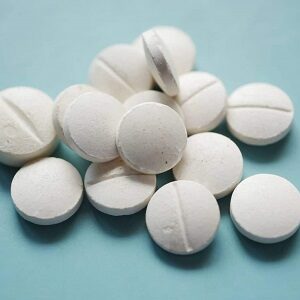
Methadone 5 mg and methadone 10 mg tablets are prescription opioid medications available in Canada and are used primarily within regulated medical care, including treatment for opioid use disorder and, in appropriate circumstances, pain management. Methadone can provide important therapeutic benefits, particularly for people receiving treatment for opioid use disorder, but it also carries risks such as respiratory depression, physical dependence, overdose, and drug interactions.
| Dose: | 5 mg, 10 mg |
|---|---|
| Quantity: | 60 Tabs…$200, 120 Tabs…$350, 200 Tabs…$500, 500 Tabs…$1000, 1000 Tabs…$1500 |
Be the first to review “Methadone hydrochloride”
Related products

Fentanyl

Pain relief medications
Pain relief medications

Psychedelic drugs

Psychedelic drugs
Pain relief medications
Cocaine
Pain relief medications
MDMA ( Ecstasy)
Pain relief medications

Fentanyl
Pain relief medications
Reviews
There are no reviews yet.