
Crack Cocaine in Canada
Crack in Canada
Jul
Laws, Penalties and Public Health Considerations of Crack Cocaine Sale in Canada
Crack cocaine is a potent stimulant that remains one of the most heavily regulated illicit substances in Canada. While discussions about Crack Cocaine Sale in Canada often focus on its health effects and addiction potential, understanding the legal framework surrounding its purchase is equally important.
Pharma Nexus explains how Canadian law regulates crack cocaine for sale in Canada, the legal consequences associated with trafficking and distribution, and the broader public health context.
What Is Crack Cocaine?
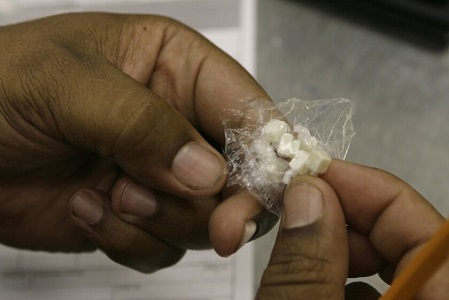
Crack cocaine is a smokable form of cocaine that is produced by converting cocaine hydrochloride for sale into a freebase form. Because it is typically smoked, crack cocaine reaches the brain very rapidly, producing intense but short-lived effects.
Like powder cocaine, crack cocaine acts primarily by increasing dopamine levels in the brain, contributing to its high potential for dependence and addiction.
Is the Sale of order Crack Cocaine online in Canada legal?
No. The sale of order Crack Cocaine online in Canada is illegal throughout.
Crack cocaine falls under the same federal legislation that regulates cocaine and is classified as a Schedule I substance under Canada’s Controlled Drugs and Substances Act (CDSA). The law prohibits the unauthorized production, possession for the purpose of trafficking, trafficking, importation, exportation, and distribution of crack cocaine. There is no legal market for crack cocaine in Canada.
What Does “Trafficking” Mean?
Under Canadian law, trafficking generally refers to activities such as:
- Selling a controlled substance
- Giving or transferring it to another person
- Delivering or transporting it for distribution
- Administering it to someone else
- Offering or agreeing to sell it
Importantly, trafficking is not limited to commercial drug sales. Exchanging crack cocaine without payment, sharing it with another person, or acting as an intermediary may also constitute trafficking depending on the circumstances.
Legal Consequences of Selling Crack Cocaine
The penalties for trafficking or possessing crack cocaine for the purpose of trafficking can be severe.
When determining an appropriate sentence, Canadian courts consider numerous factors, including:
- The quantity of the substance involved
- Whether the offence was commercial in nature
- The offender’s role in the operation
- Whether organized crime was involved
- Previous criminal history
- Aggravating or mitigating circumstances
- The specific facts of the case
Potential consequences may include:
- Criminal charges
- A permanent criminal record upon conviction
- Imprisonment
- Probation or community supervision in appropriate cases
- Asset forfeiture in some circumstances
- Immigration consequences for non-citizens
- Employment and professional licensing impacts
Each case is assessed individually, and sentencing depends on the facts presented to the court.
Is Possession Different from Selling?
Yes. Canadian law distinguishes between simple possession and offences related to trafficking.
Although both offences involve controlled substances, trafficking-related offences are generally treated more seriously because they involve supplying or intending to supply drugs to others.
Evidence used to distinguish personal possession from trafficking may include factors such as:
- Quantity of the substance
- Packaging
- Presence of scales or other distribution-related materials
- Large amounts of cash
- Communications suggesting commercial activity
- Other evidence gathered during an investigation
No single factor automatically determines whether trafficking has occurred.
Public Health Perspective
Substance use is increasingly recognized as both a health and social issue in addition to a criminal justice issue.
Many individuals involved in crack cocaine use experience challenges such as:
- Substance use disorder
- Mental health conditions
- Housing instability
- Poverty
- Trauma
- Limited access to healthcare
Canadian public health responses often emphasize harm reduction, access to treatment, and support services alongside law enforcement efforts aimed at disrupting illegal drug trafficking.
Health Risks Associated with Crack Cocaine
Crack cocaine carries significant health risks, including:
- Rapid development of psychological dependence
- Increased heart rate and blood pressure
- Elevated risk of heart attack and stroke
- Anxiety, paranoia, and panic
- Hallucinations and stimulant-induced psychosis
- Burns or injuries from smoking equipment
- Respiratory complications
- Increased risk of overdose, particularly when substances are contaminated with fentanyl or other potent synthetic opioids
Because the unregulated drug supply may contain unexpected substances, the composition and potency of crack cocaine cannot be reliably determined.
Harm Reduction
While the safest way to avoid drug-related harms is not to use illicit substances, harm reduction measures can help reduce the risk of serious injury or death for people who do use them.
Examples include:
- Avoiding using alone whenever possible
- Carrying naloxone, as stimulant products may be contaminated with opioids such as fentanyl
- Using sterile smoking equipment when available
- Accessing drug checking services where available
- Seeking medical attention immediately if symptoms of overdose or severe chest pain occur
- Connecting with healthcare providers or addiction treatment services when support is desired
Harm reduction aims to reduce preventable harms without requiring abstinence as a prerequisite for receiving care.
Frequently Asked Questions
Can someone be charged for giving crack cocaine for sale in Canada to a friend?
Potentially. Under Canadian law, transferring or giving a Schedule I substance to another person may constitute trafficking, even if no money changes hands.
Is crack cocaine regulated differently from powder cocaine?
Both forms are controlled under the same federal legislation. Although they differ chemically and in their typical route of administration, both are prohibited substances under Canadian law.
Can someone receive treatment instead of jail?
Depending on the circumstances, Canadian courts may consider alternatives or treatment-oriented approaches in some cases. Eligibility depends on factors such as the offence, individual circumstances, applicable legislation, and judicial discretion.
Key Takeaways
- The sale of crack cocaine for sale in Canada is illegal throughout.
- Crack cocaine is regulated as a Schedule I controlled substance under the Controlled Drugs and Substances Act.
- Trafficking includes selling, giving, delivering, transporting, or offering to supply the substance.
- Penalties depend on the specific facts of each case and may include imprisonment and other long-term legal consequences.
- Crack cocaine presents significant health risks, including dependence, cardiovascular complications, and overdose risks associated with an unpredictable illicit drug supply.
- Public health approaches increasingly emphasize harm reduction, treatment access, and evidence-based education alongside enforcement of Canadian drug laws.
